1970s
“…most of the 70 volunteers who worked on the gardens at least initially regarded their plots as crisis management devices, psychoanalytical couches in bloom, flowerbeds of ego, mechanisms for coping with NYC problems…”
Anna Mayo “A Conspiracy of Mint” Voice, 19-25 Aug. 1981
1977 – Mary Louise Taylor, head of the 97th Street Block Association, received permission from the owner of the lot between 96th and 97th and Broadway to plant a garden. The garden would have to vacate upon the eventual development of the lot. The blockfront had fallen into disrepair after the Riverside and Riviera theaters were demolished in 1976. Against this backdrop, a dedicated group of community activists calling themselves “The Garden People” planted a garden in the abandoned lot (now home to The Columbia Condominium at 275 West 96th St.) with permission from the owner of the property.
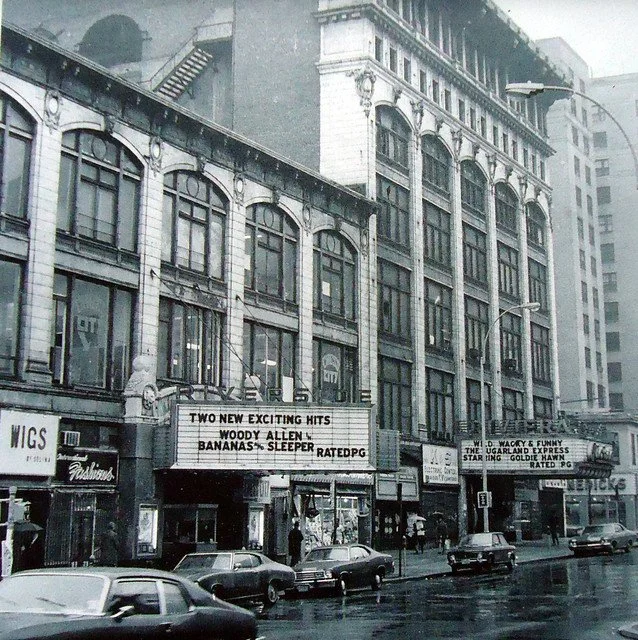
RIVIERA THEATER BROADWAY AND WEST 97th ST
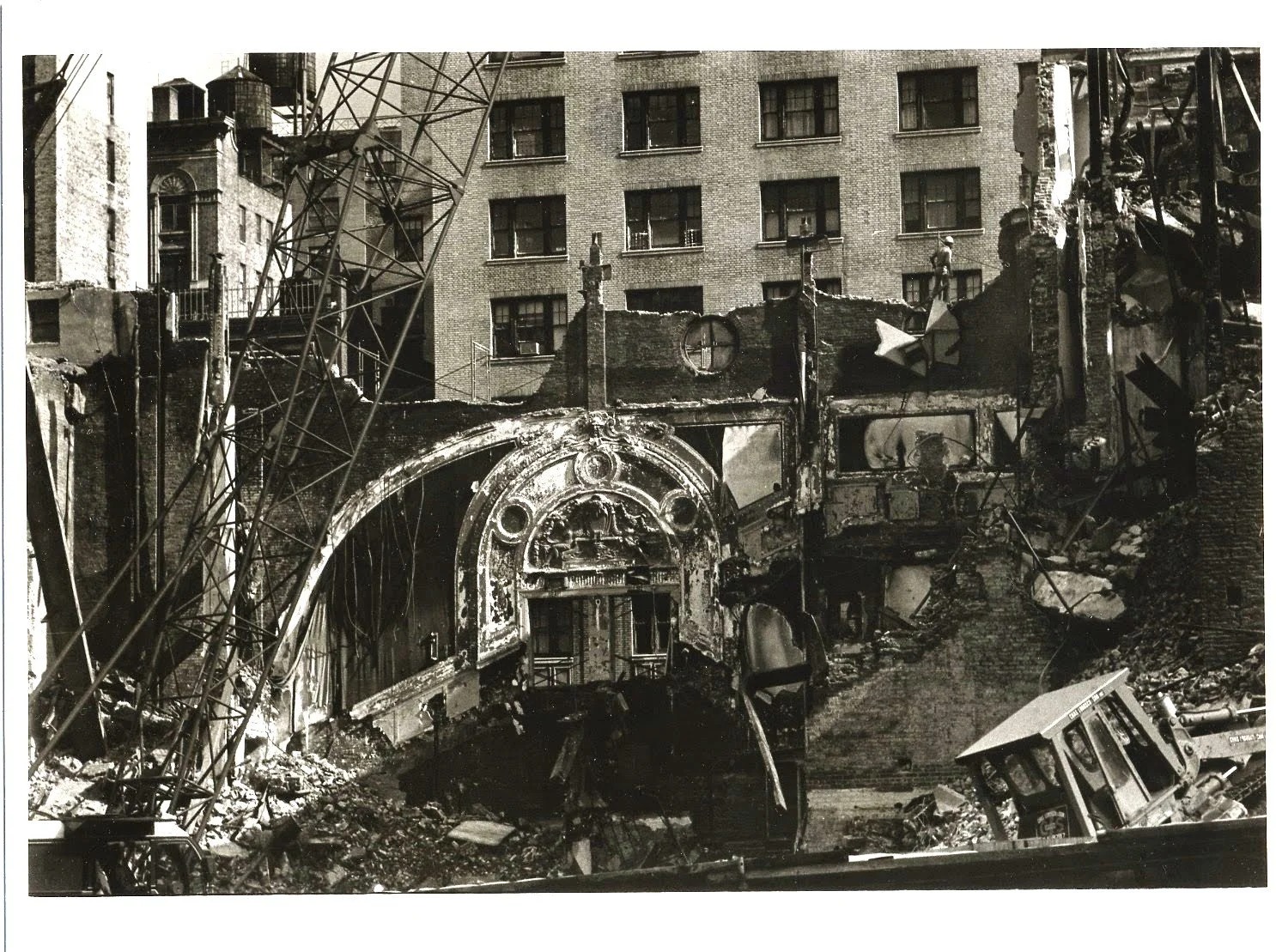
THE LAST OF THE RIVIERA
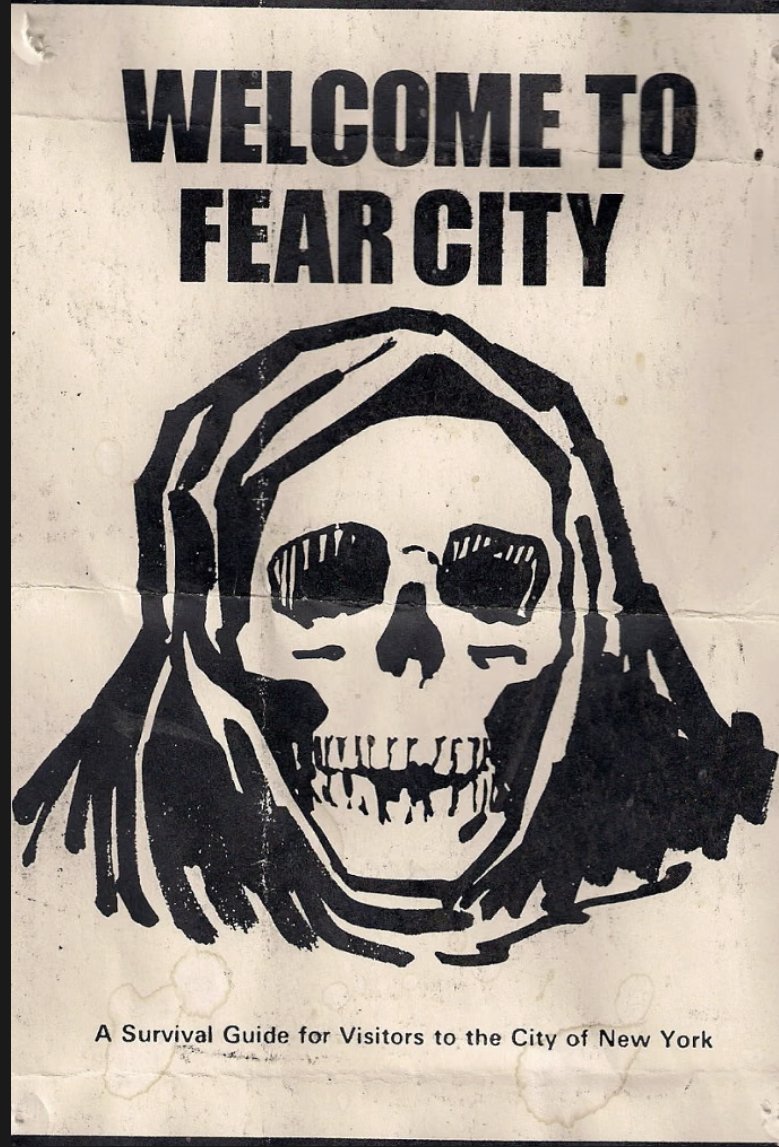
"A SURVIVAL GUIDE FOR VISITORS TO THE CITY OF NEW YORK"
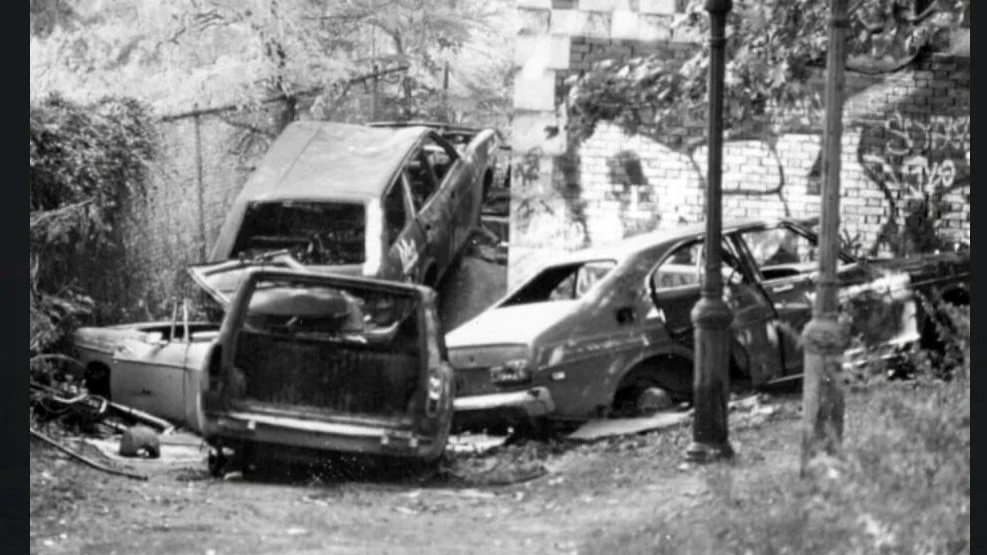
PARKS IN THE 1970s AND 1980s WERE COMMONLY USED AS DUMPING GROUNDS
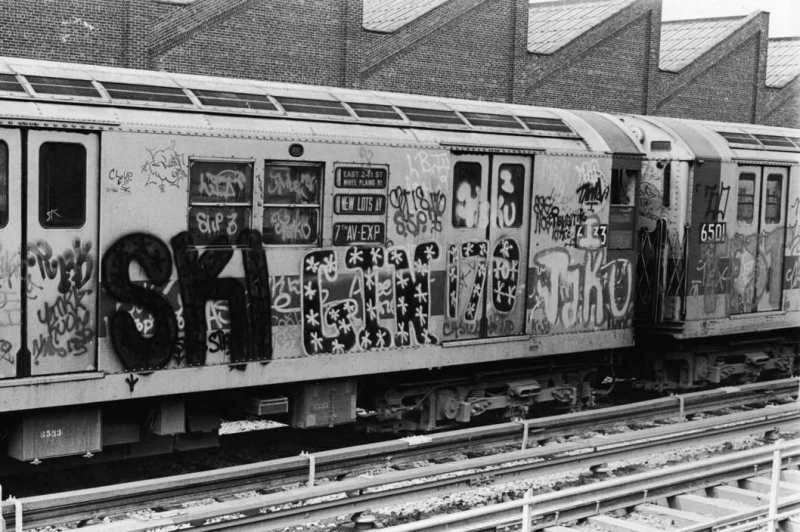
SUBWAY CARS LATE 1970s
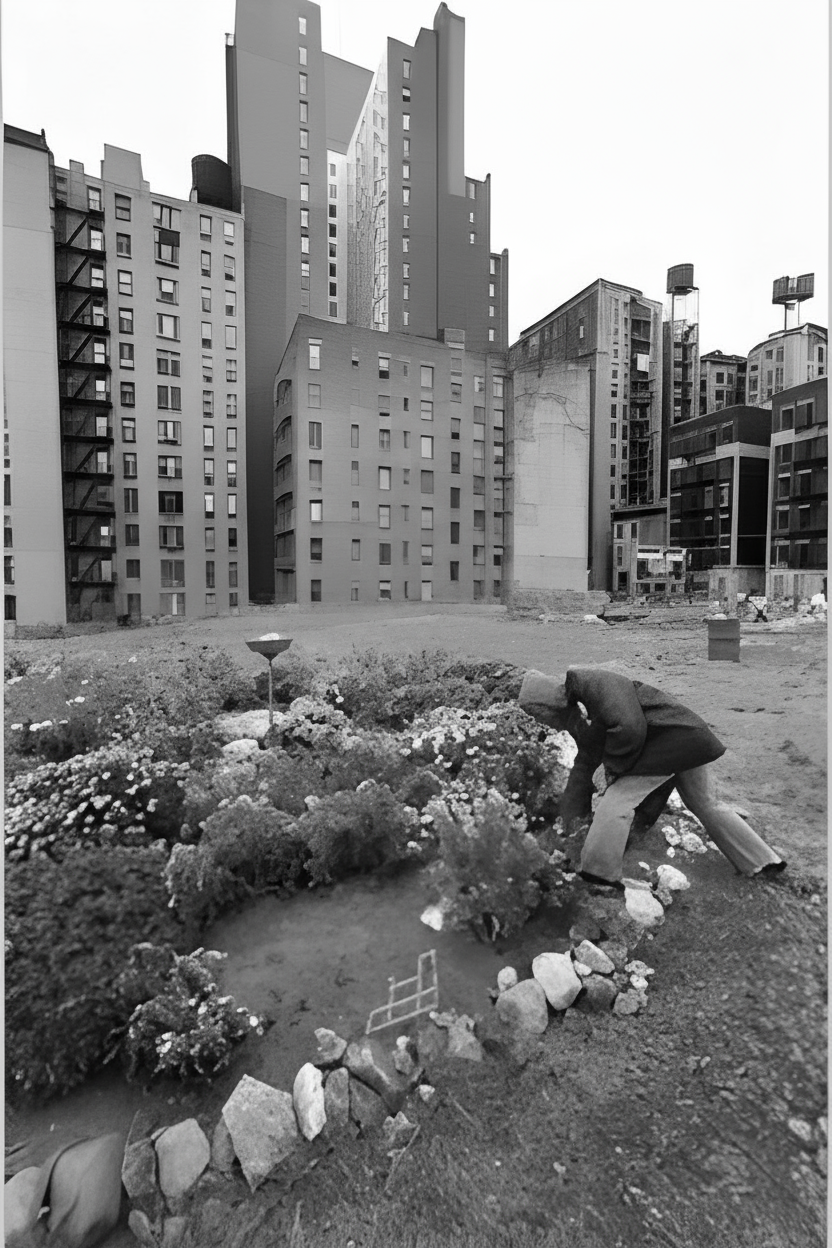
COMMUNITY GARDEN
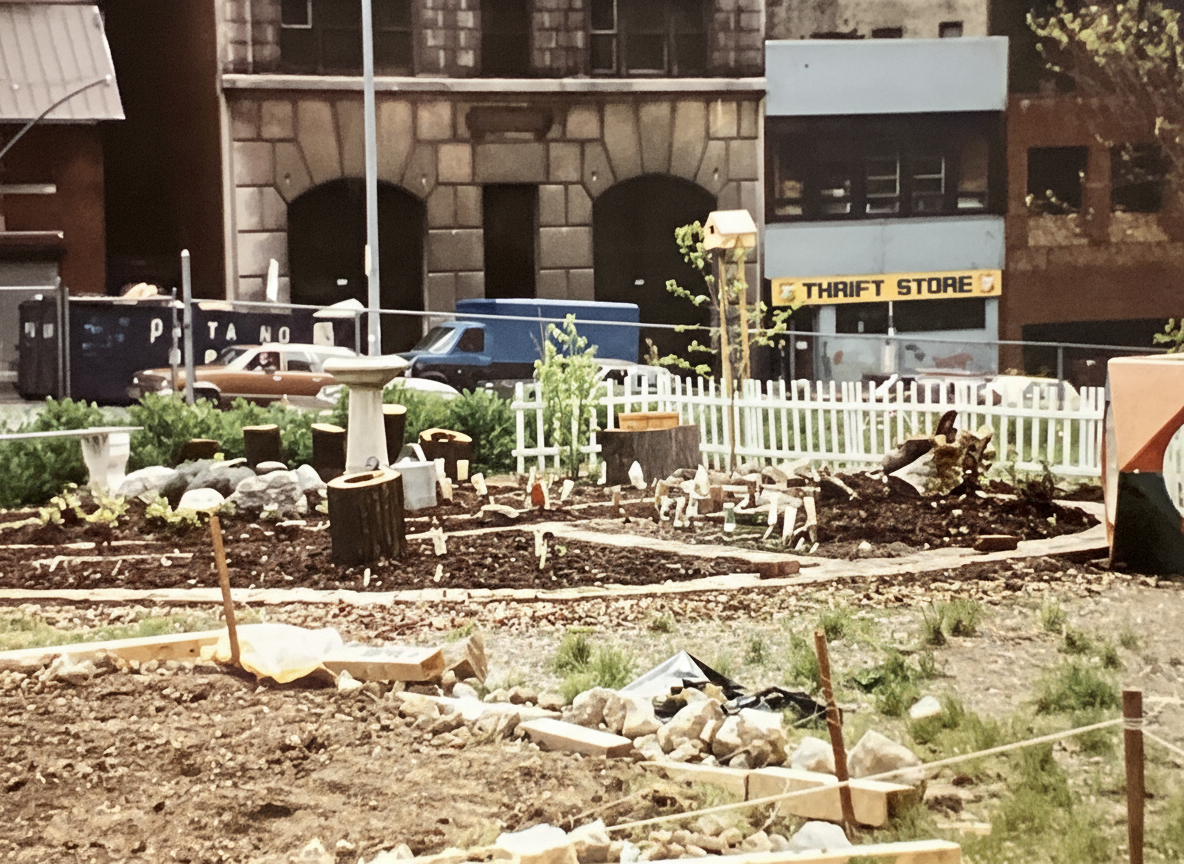
TAKING SHAPE AT 96TH & BROADWAY
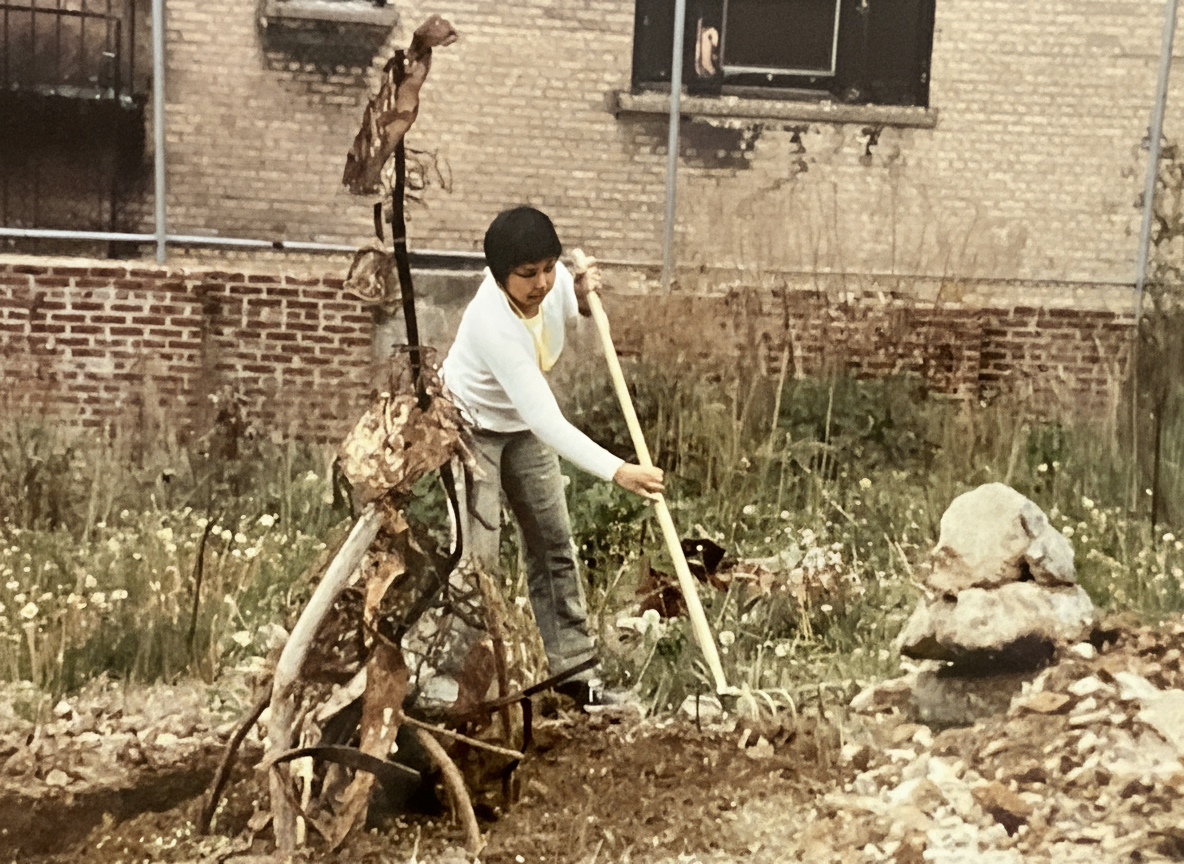
CLEARING THE EMPTY LOT AT 96th STREET
1980s
“The crocuses, daffodils, et al. are poking their little green shoots up through the beer cans and washing machine lids, and the city gardener’s fancy turns to thoughts of spring and summer in the garden”
Mary Louise Taylor “Cleanup, Planting, Continuity for the 1980 Season”, memo to volunteers
1981 – When the bulldozers came to start construction on the lot, the original 15 members, along with a group leader, formed The Garden People, Inc., so named because they had people but no garden. All nearby vacant lots were imperiled by a building boom so they started searching for a new home for the garden.
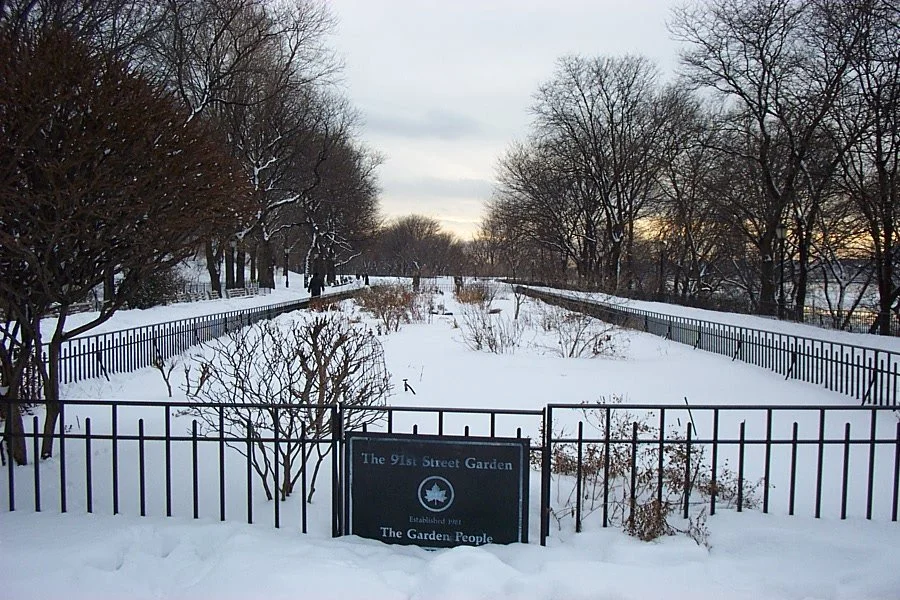
Due to the city’s fiscal crisis, NYC parks were abandoned and in a state of disrepair; used as garbage dumps with broken benches and burned out cars - a haven for drug dealers and other criminal activity. The Garden People saw an opportunity to make a difference. Ultimately finding the spot in Riverside Park and applying to the Parks Department for the right to plant a garden.
1982 – The Garden People were challenged by Community Board 7 for using public land for private use.
To show that they were beloved by the community for cleaning up and enhancing the park, they invited passers-by to write their opinions. Once again, the praise was overwhelming, both for the garden’s individualistic beauty and its very presence.
Photographer Joe Bly, who documented the garden’s creation, described it as a “creative endeavor”, in which the volunteer gardeners used seeds and cultivation as their art.
1984 – The garden became an independent 501c3 nonprofit corporation.
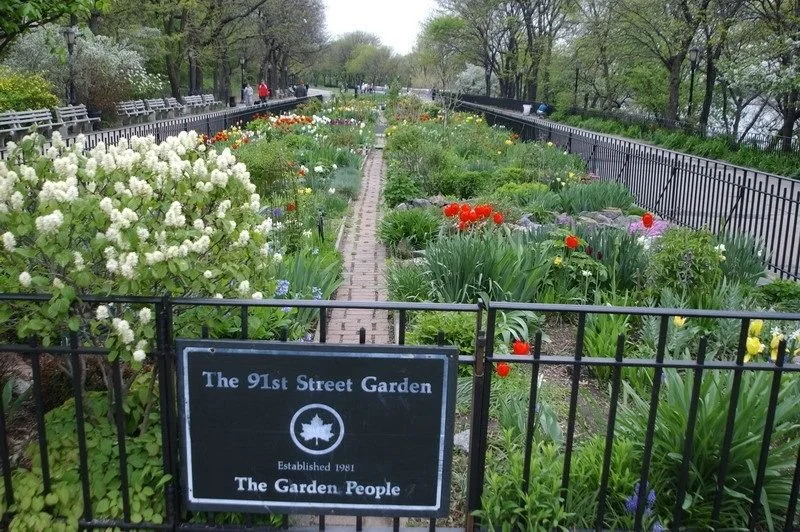
Throughout the 1980s, a period when all of Riverside Park showed the strain of years of budget cuts, The Garden People brought activity, color and life to the Park.
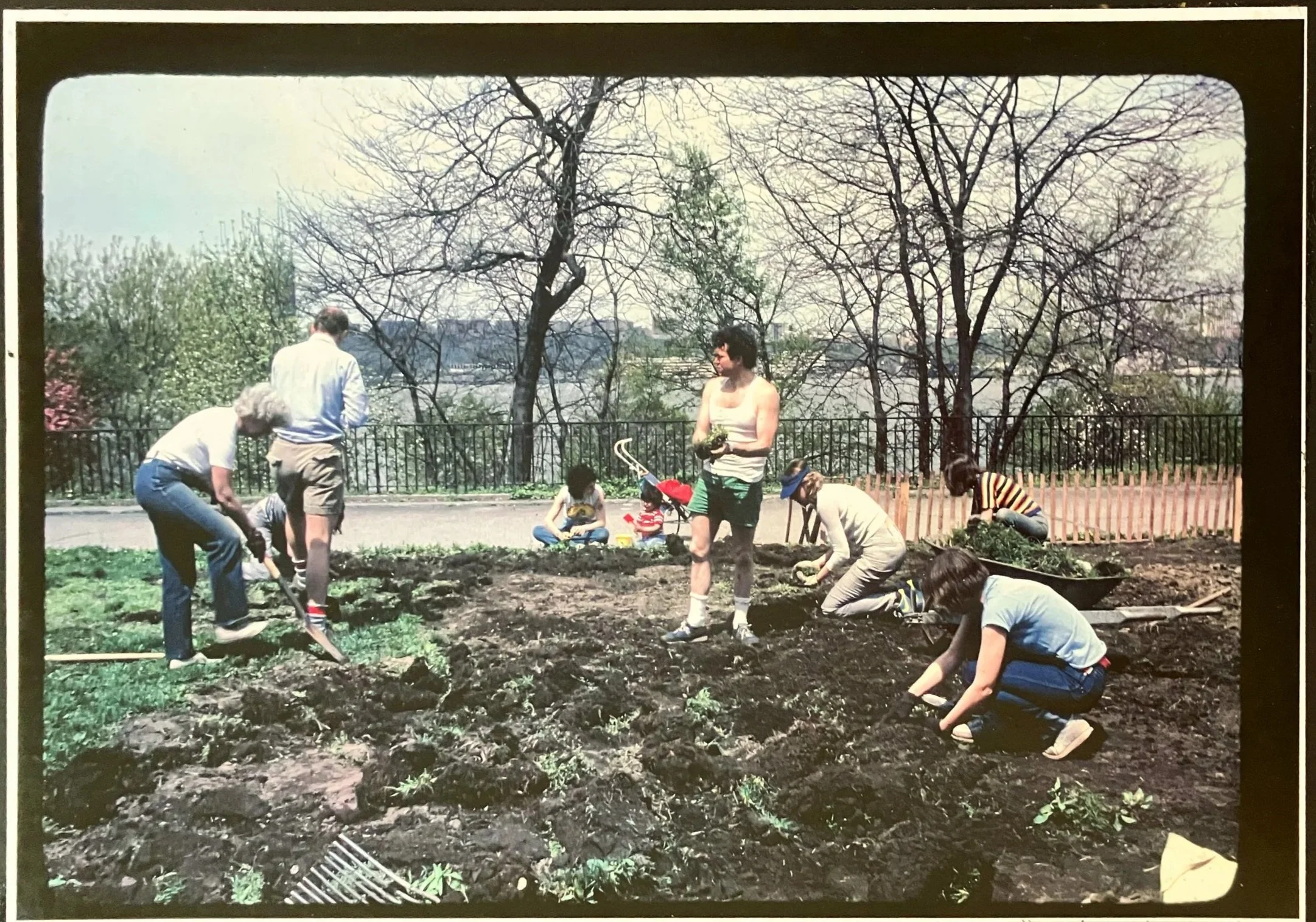
DIGGING IN 1982
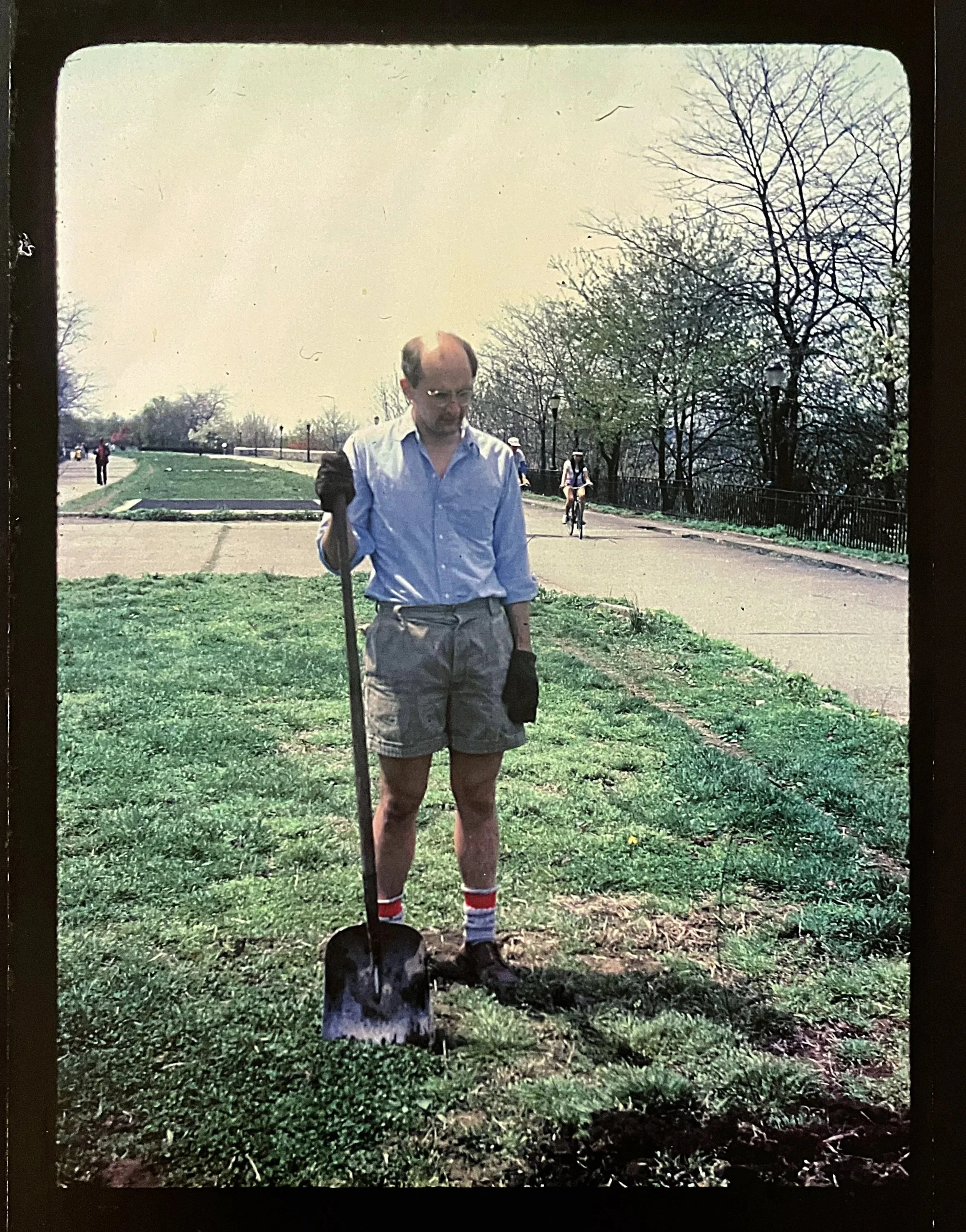
THE FIRST STEP MAY 1982
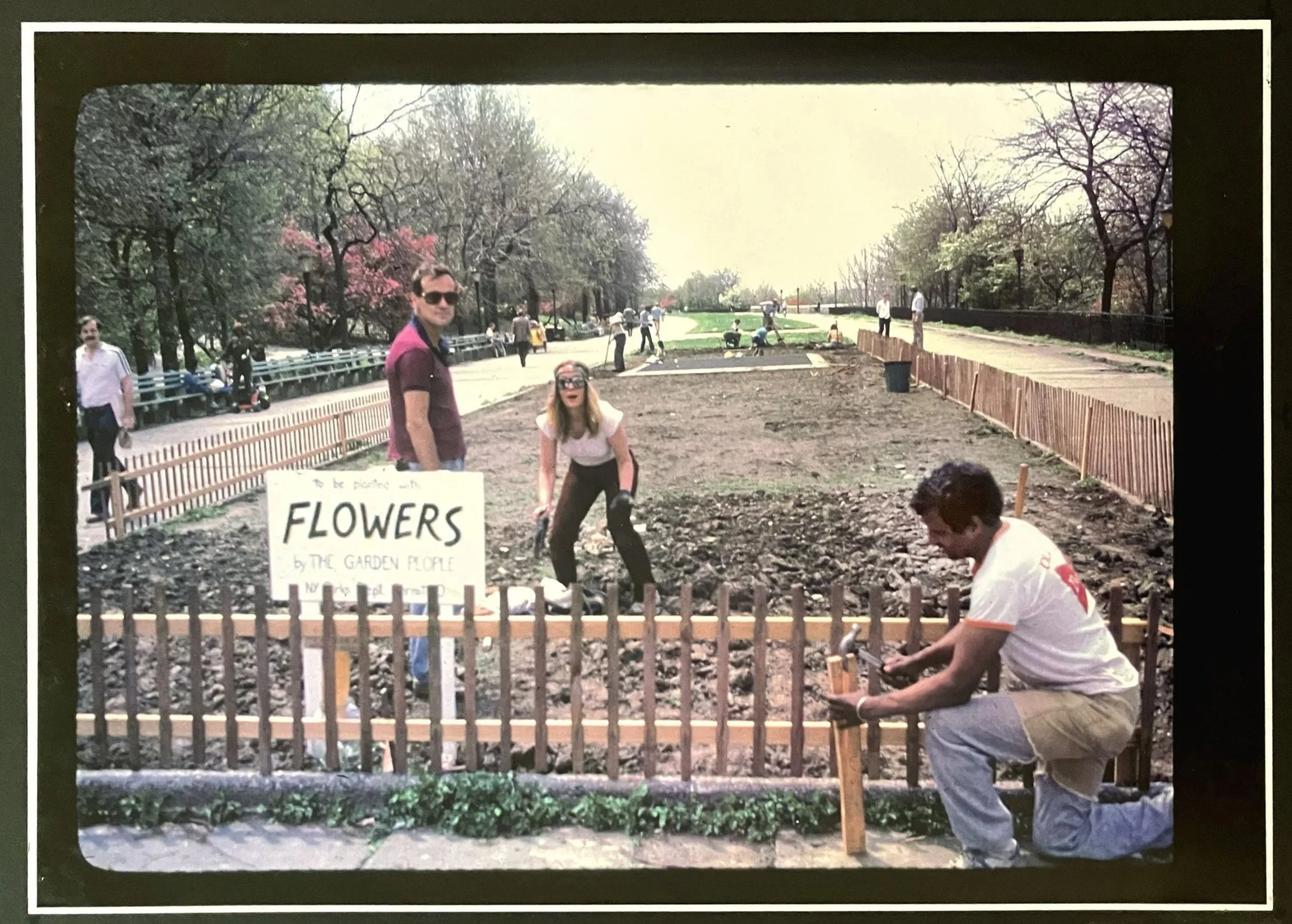
PUTTING UP THE FENCE 1982
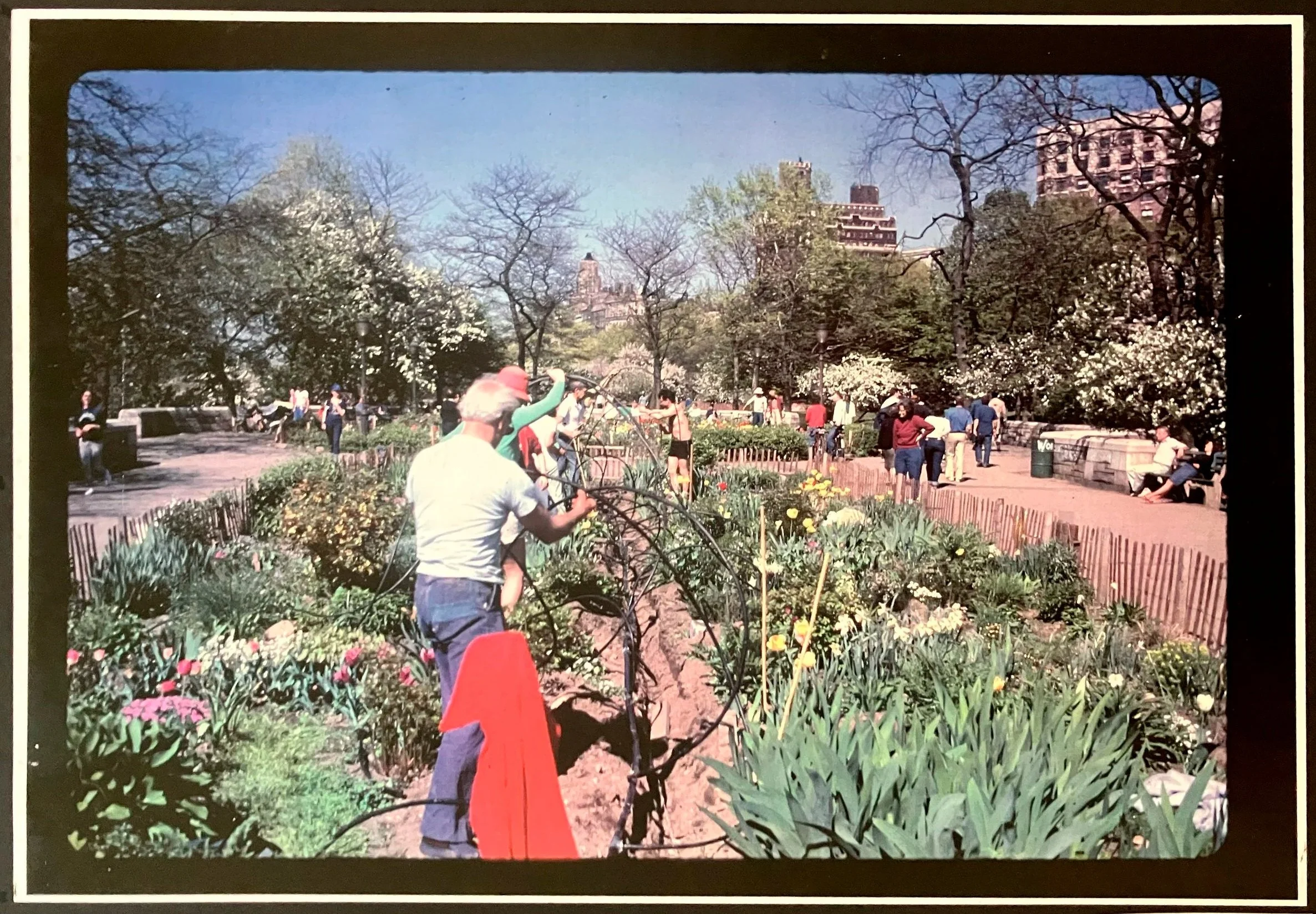
INSTALLING THE DRIP IRRIGATION SYSTEM 1985
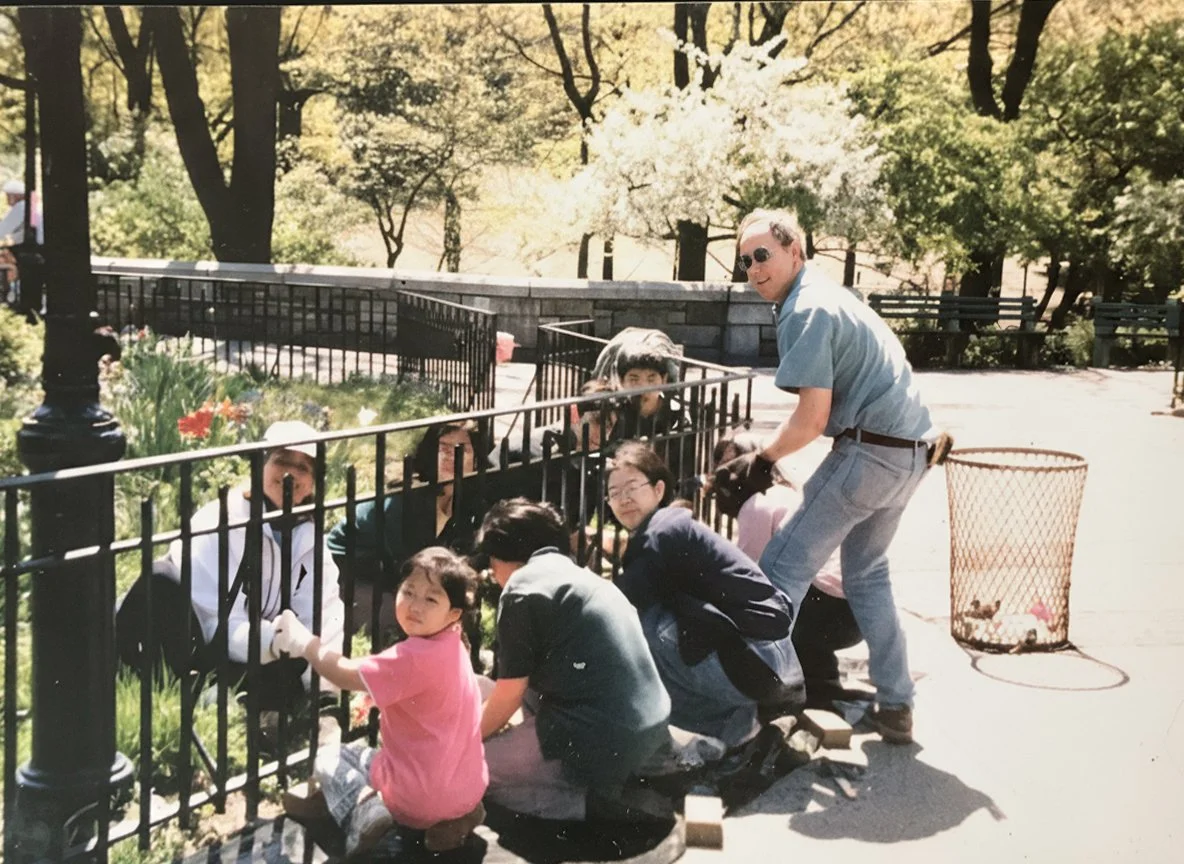
COMMUNITY EDUCATION
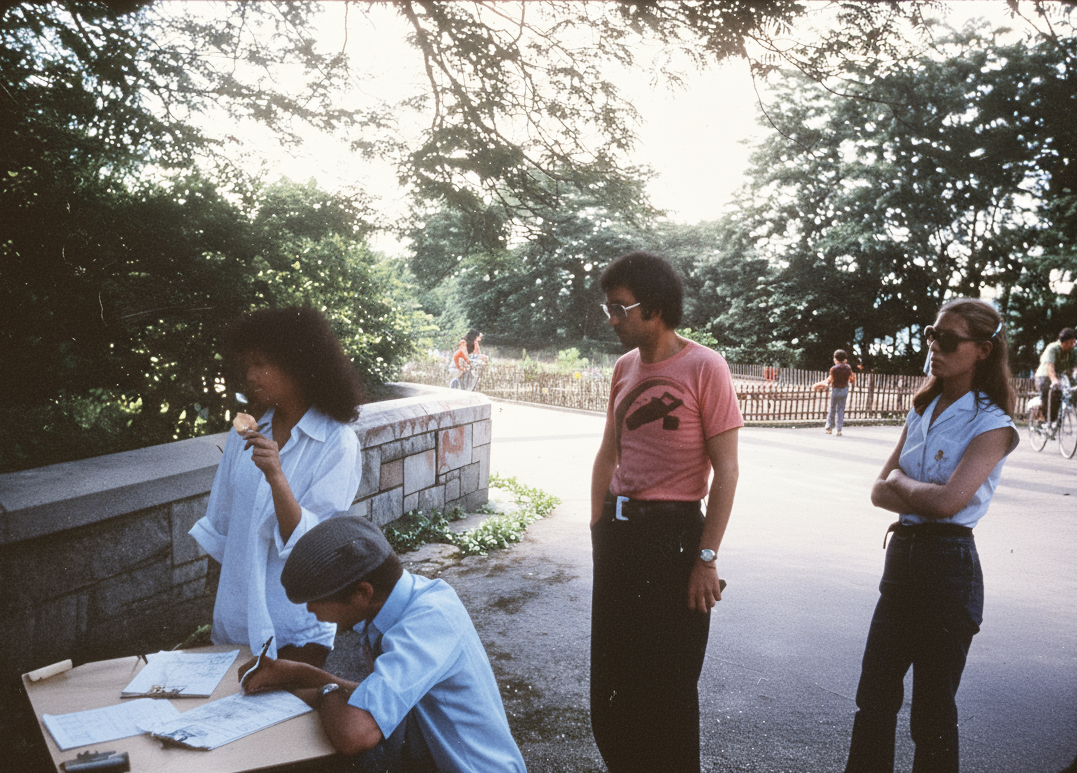
SIGNING PETITIONS TO SUPPORT THE GARDEN REMAINING IN RIVERSIDE PARK
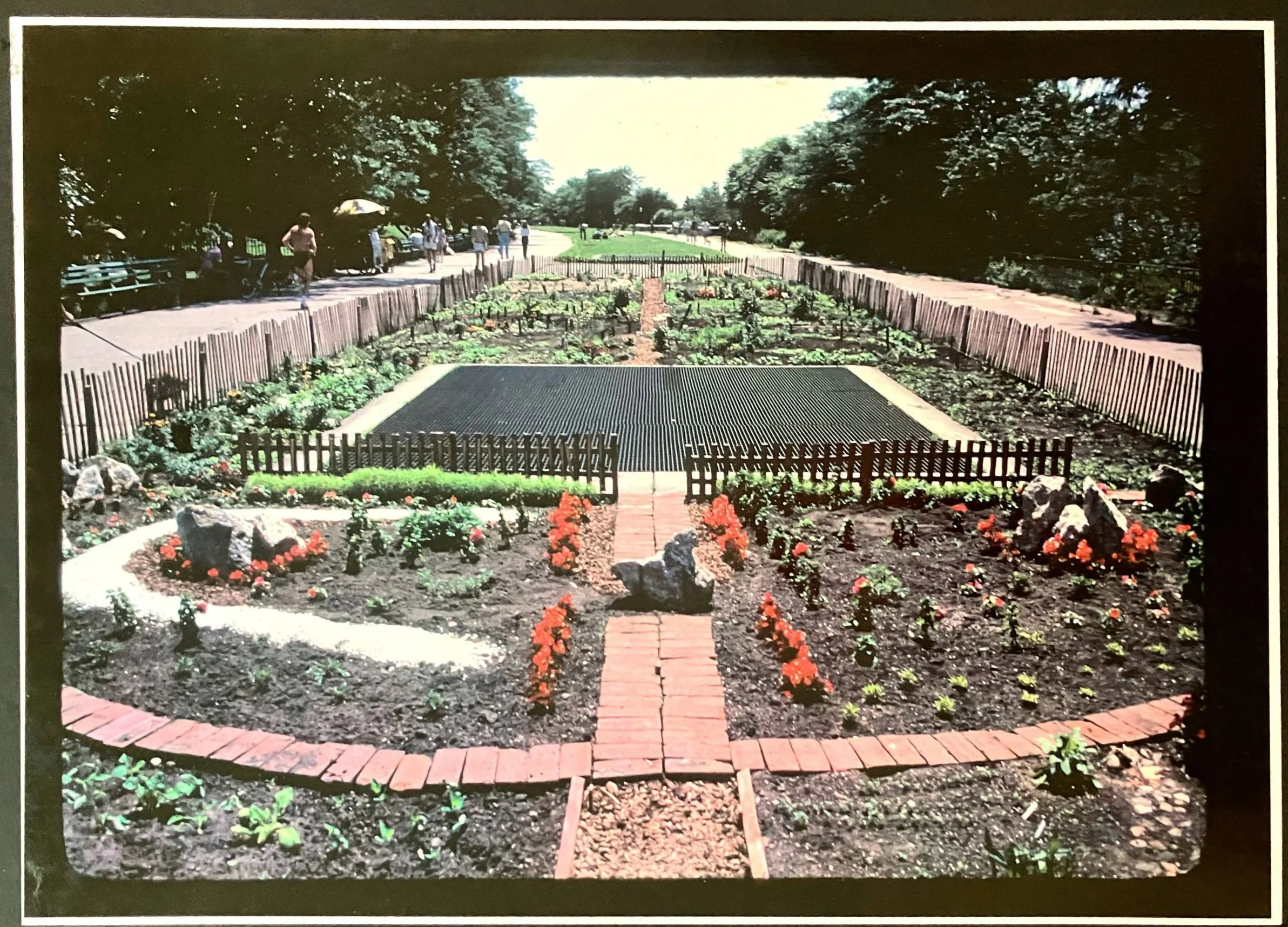
TAKING SHAPE 1982
1990s
The Upper West Side of the 1990s was defined by major shifts in the real estate market, demographics, and commercial landscape, driven by ongoing gentrification and a citywide drop in crime. The neighborhood transitioned from a diverse, middle-class enclave with a “gritty” edge to a more upscale, expensive residential area, a process that had begun decades earlier and famously captured in shows like Seinfeld.
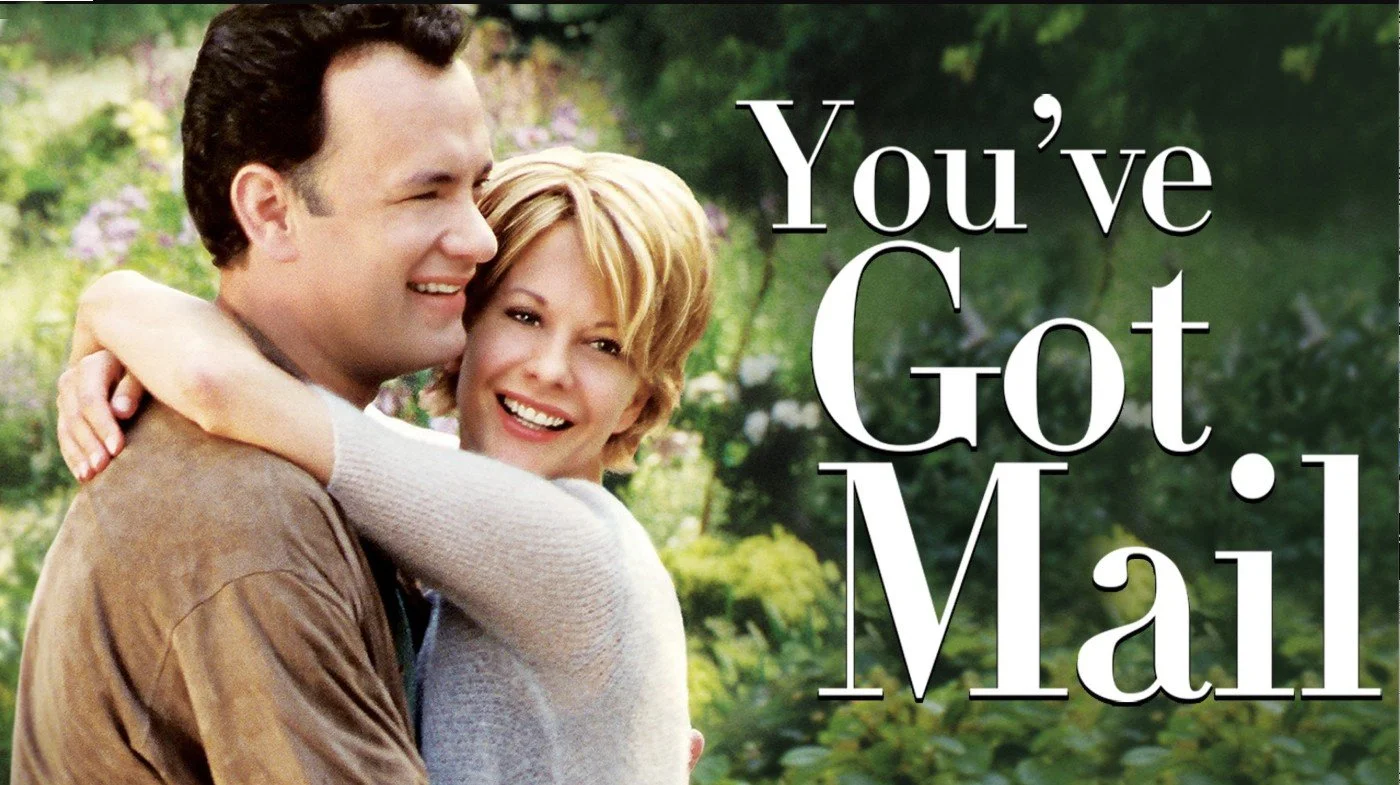
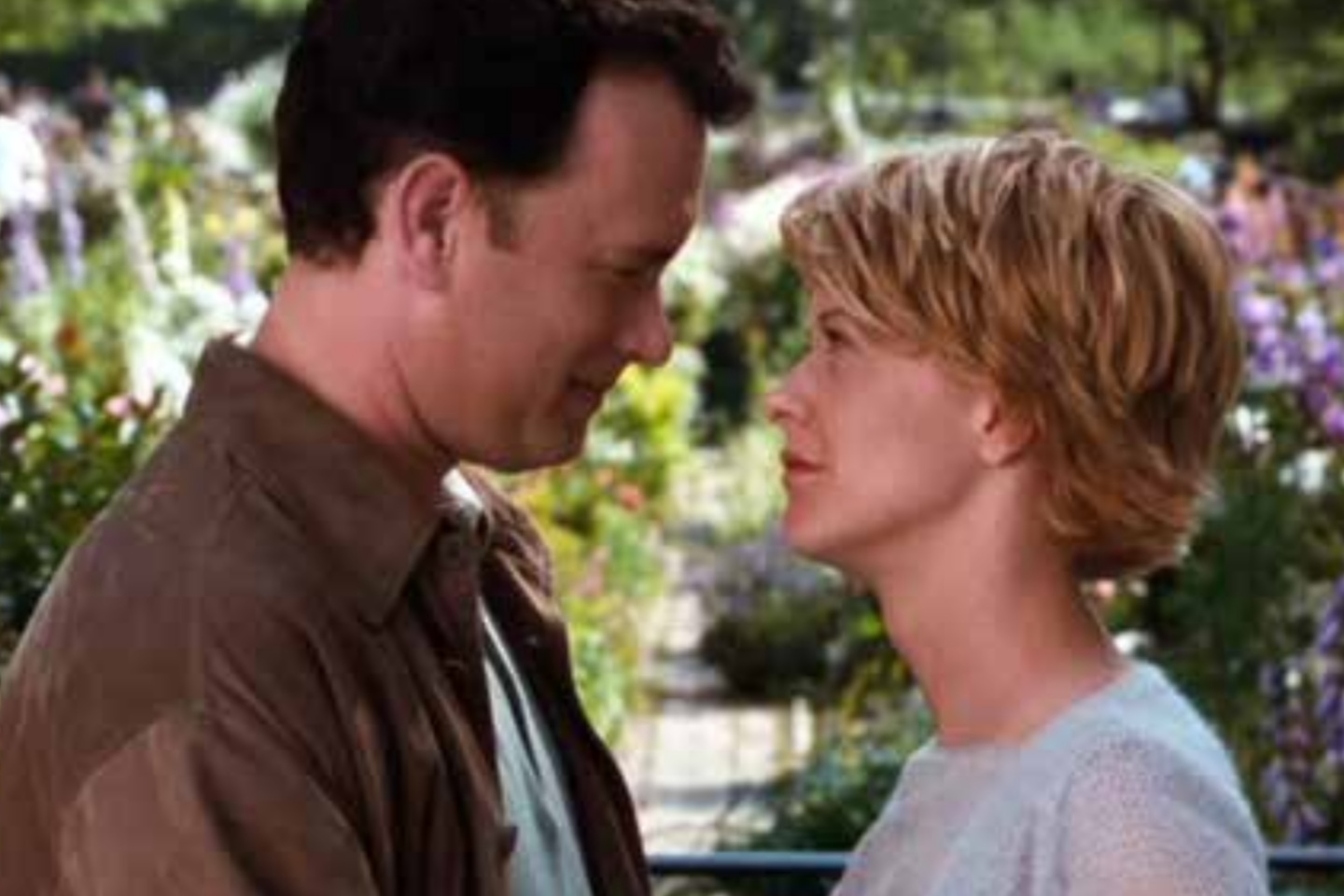
1998 – Ready for our Hollywood debut. The garden gained international recognition as the picturesque location for the final scene of the 1998 romantic comedy You’ve Got Mail, starring Tom Hanks and Meg Ryan.
The movie made the garden a popular destination for tourists and fans around the world, who often recognize it from the iconic cinematic moment.
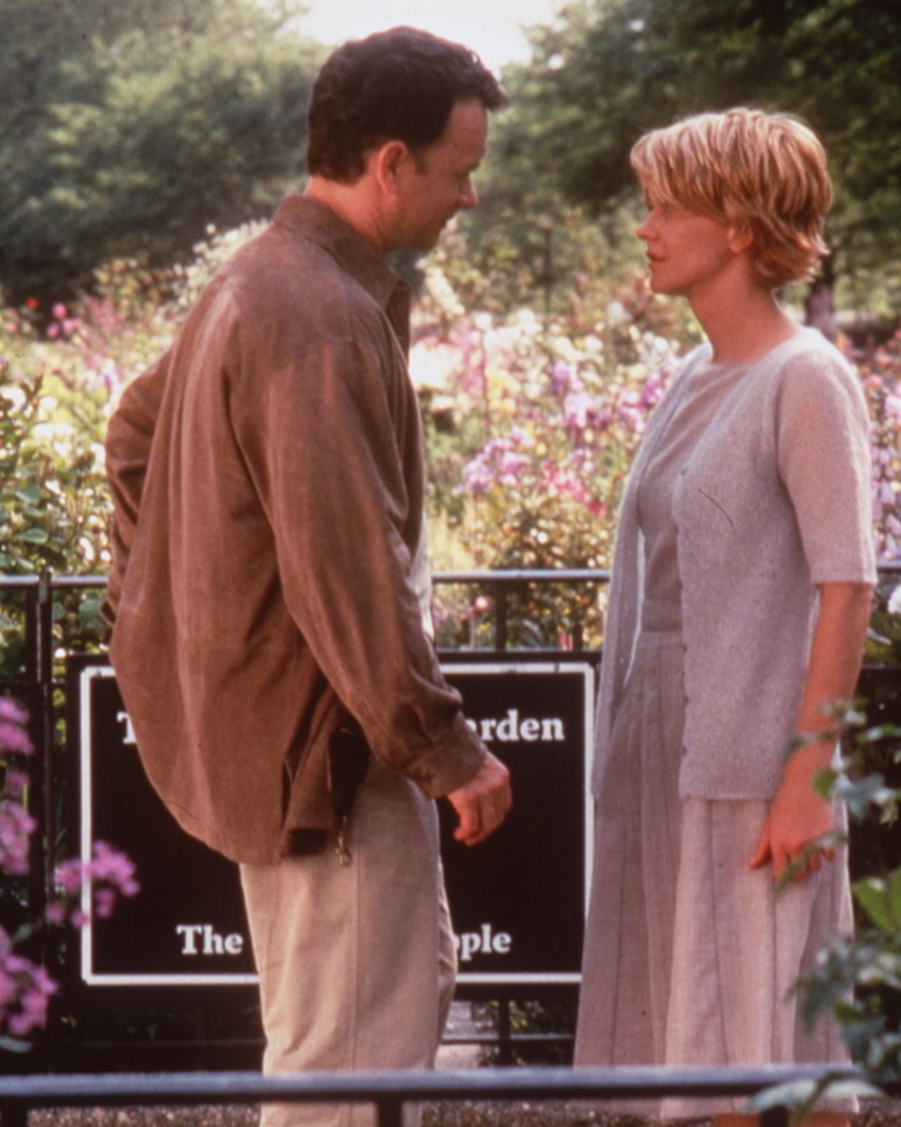
MEETING BETWEEN THE OCTAGON AND RECTANGLE
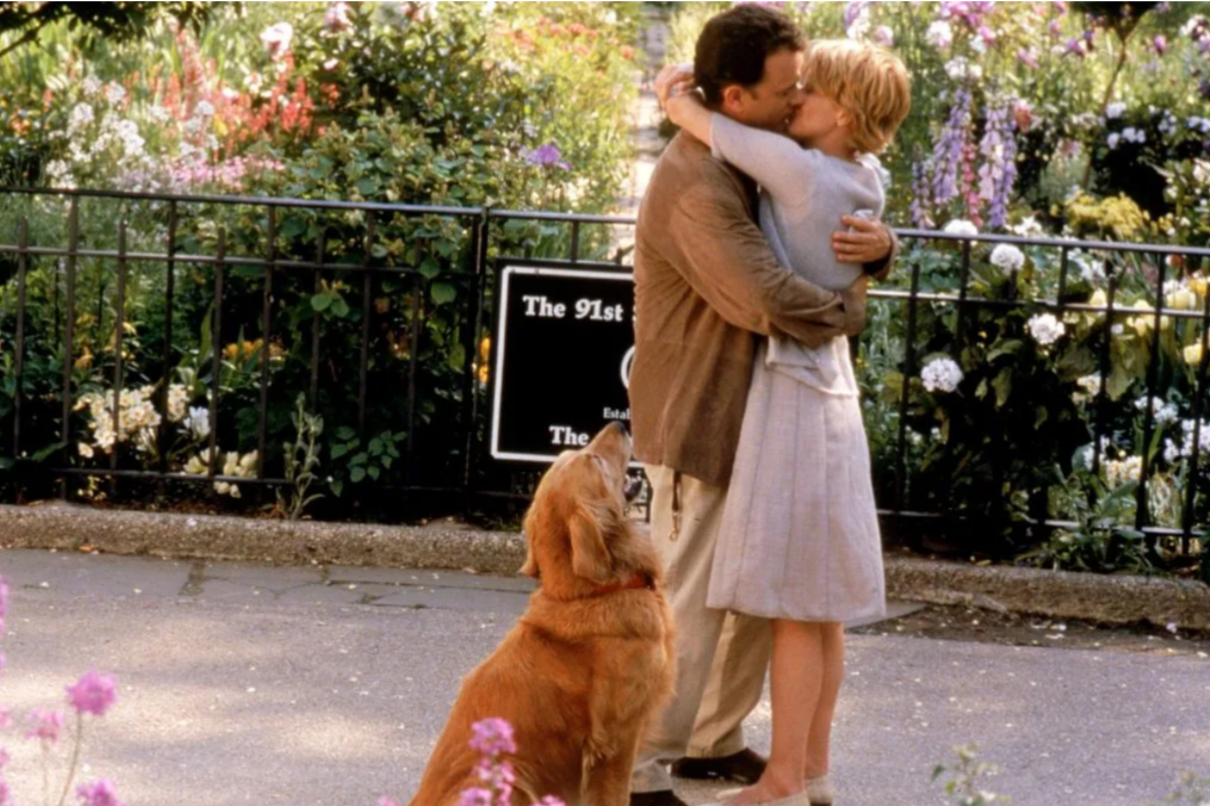
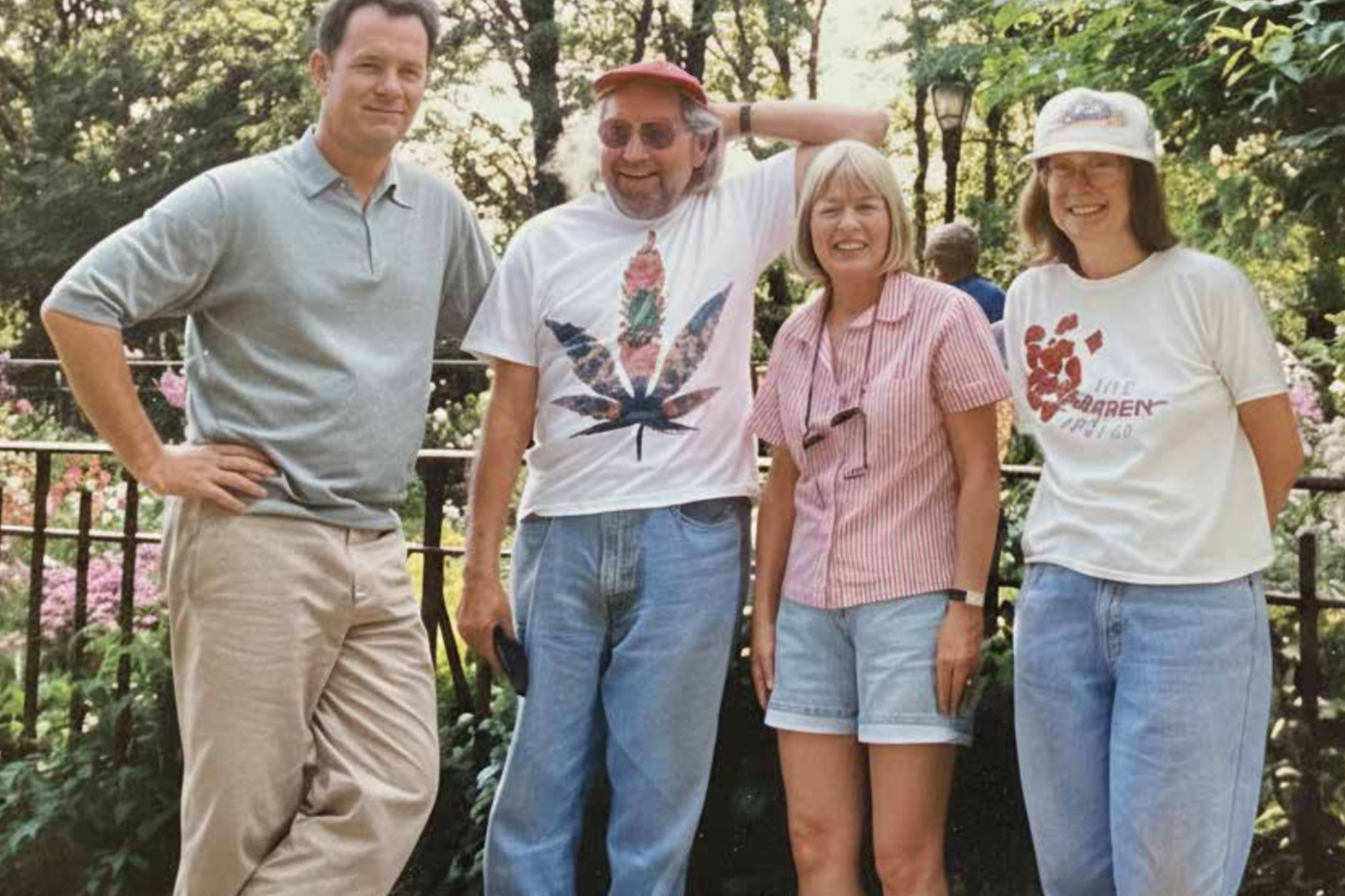
TOM HANKS WITH GARDENERS
2000s
Our garden continues to flourish and is still maintained by dedicated plot holders and countless volunteers, all supported by friends and neighbors.
Over the past 45 years, the garden has matured and so have we. New volunteers have joined us as others have moved on. We have let many thousands of flowers bloom. We have won awards, been listed in garden tour books, chosen by New York Magazine as one of the 100 best things in New York. But our strongest support, both spiritual and financial, has always been the friends and community members who have kept us going.